24/7 Global Support • Fast Response • Direct Factory Price • Request Samples & Prototyping Tests • Ship Globally • WhatsApp RFIDock

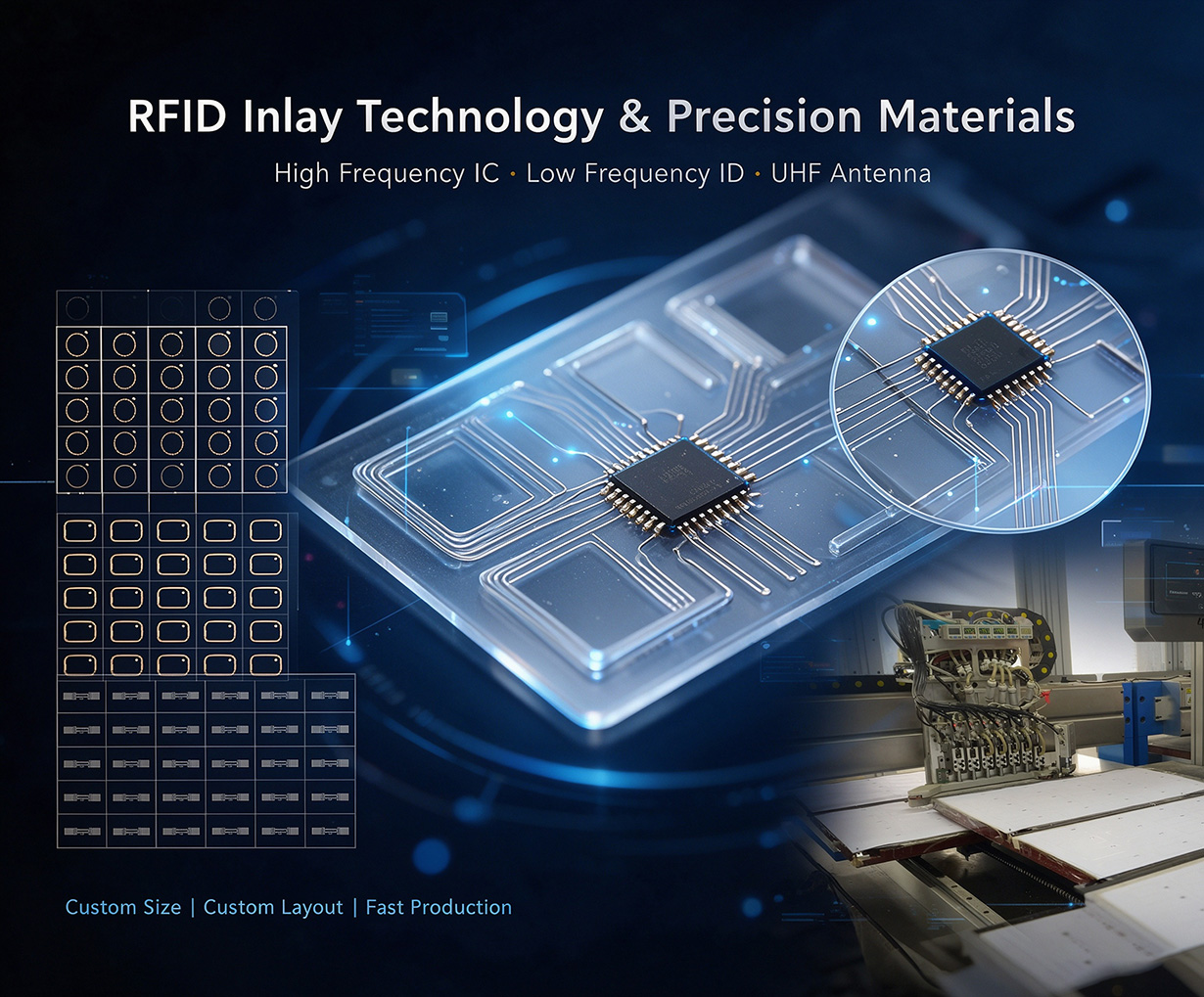

A Practical Guide for Business
If you are sourcing RFID inlay sheets for card production, label converting, or system integration, the selection and ordering process can feel complicated. Frequency, chip model, sheet size, substrate, antenna design, and order quantity all affect performance, lead time, and cost.
This guide walks you through the key decisions and the information you should prepare before contacting a supplier—so you can order the right RFID chip materials the first time.
1. Start with the Application, Not the Chip
Before choosing a chip or inlay size, define what the RFID tag or card must do:
- Read range: A few centimeters for access control, or several meters for asset tracking?
- Environment: Indoor, outdoor, metal surfaces, or high-temperature lamination?
- Data needs: Simple UID only, or encrypted data, NDEF records, or large memory?
- Form factor: Standard CR80 card, NFC label, laundry tag, or custom shape?
The application determines the frequency band and chip family. For example, LF (125 kHz) is common for access control and animal ID; HF (13.56 MHz) suits smart cards and NFC; UHF (860–960 MHz) is preferred for logistics and long-range inventory tracking.
2. Choose the Frequency Band and Chip Model
Once the application is clear, narrow down the chip options:
| Frequency | Typical Chips | Best For |
|---|---|---|
| LF 125 kHz | EM4100, T5577, Hitag | Access control, industrial tags |
| HF 13.56 MHz | MIFARE Classic, DESFire, NTAG, ICODE SLIX | Smart cards, NFC labels, ticketing |
| UHF 860–960 MHz | Alien H3, Impinj Monza, NXP UCODE | Asset tracking, retail, logistics |
Tip: Do not choose a chip based only on price. Confirm chip availability, memory size, security features, and compatibility with your reader infrastructure. Ask your supplier whether the chip is original or equivalent, and request the datasheet.
3. Specify Sheet Size, Thickness, and Substrate
RFID inlay sheets are semi-finished materials. Their dimensions and substrate must match your downstream process:
- Sheet size: A4 and A3 are common, but custom sizes are often available.
- Thickness: Typically 0.3 mm to 0.8 mm, depending on card structure and lamination requirements.
- Substrate: PVC, PET, ABS, or PC. PVC is common for cards; PET is preferred for higher temperature resistance.
- Antenna material: Aluminum or copper. Copper generally offers better performance but may cost more.
Important: Confirm the lamination temperature and pressure your production line uses. The inlay substrate and antenna must withstand those conditions without delamination or frequency shift.
4. Confirm the Inlay Layout and Registration
For efficient production, the sheet layout matters as much as the chip:
- Single inlay per sheet or multiple inlays per sheet?
- What is the pitch (spacing) between inlays?
- Are registration marks, positioning holes, or fiducial marks required?
- Do you need sheet or roll form?
Provide a drawing or sample of your existing card or label layout if possible. This reduces the risk of dimension mismatch and improves die-cutting yield.
5. Decide on Encoding and Personalization
Many suppliers offer optional encoding services:
- UID pre-writing
- NDEF formatting for NFC tags
- Sector initialization or key configuration for MIFARE
- Encrypted data writing
- Serial number printing or laser marking
If you need encoding, specify the data format, security keys, and testing requirements in advance. Encoding adds lead time and cost, so confirm the process before placing a mass production order.
6. Order Samples Before Mass Production
Never skip the sample stage. A good sample evaluation should include:
- Frequency and read-range test with your actual reader
- Lamination trial if you will embed the inlay into cards
- Thickness and dimension check
- Chip functionality test (read, write, lock, encryption)
- Durability test if the end product will be used in harsh conditions
Ask your supplier for a test report and keep the sample batch as a reference standard for mass production.
7. Prepare a Clear Order Specification
To get an accurate quotation and avoid delays, prepare a specification sheet that includes:
- Frequency band
- Chip model and memory
- Sheet size, thickness, and substrate
- Antenna material and read-range target
- Inlay layout and registration marks
- Encoding requirements
- Estimated annual or batch quantity
- Delivery schedule and destination
- Compliance requirements (RoHS, REACH, etc.)
- Packaging and labeling requirements
The clearer your specification, the faster the supplier can confirm feasibility, price, and lead time.
8. Evaluate the Supplier, Not Just the Price
When comparing quotations, look beyond unit price:
- Does the supplier provide chip datasheets and test reports?
- Can they customize antenna design for your read-range target?
- What is their sample lead time and mass production lead time?
- Do they offer batch traceability?
- What is their policy for defective units or performance deviations?
A reliable RFID inlay supplier should act as a technical partner, not just a material vendor.
Final Checklist Before You Order
- □ Application and read-range requirement defined
- □ Frequency band and chip model selected
- □ Sheet size, thickness, and substrate confirmed
- □ Inlay layout and registration marks agreed
- □ Encoding requirements specified
- □ Samples tested and approved
- □ Order quantity and delivery schedule confirmed
- □ Compliance and packaging requirements documented
Need Help Selecting the Right RFID Inlay Sheet?
We supply customizable RFID PVC inlay sheets in LF, HF, and UHF, with selectable sheet size, substrate, chip model, and encoding options. Send us your application details and target specifications, and our team will recommend the most suitable configuration and provide a sample for evaluation.
Contact us today to start your RFID inlay project.
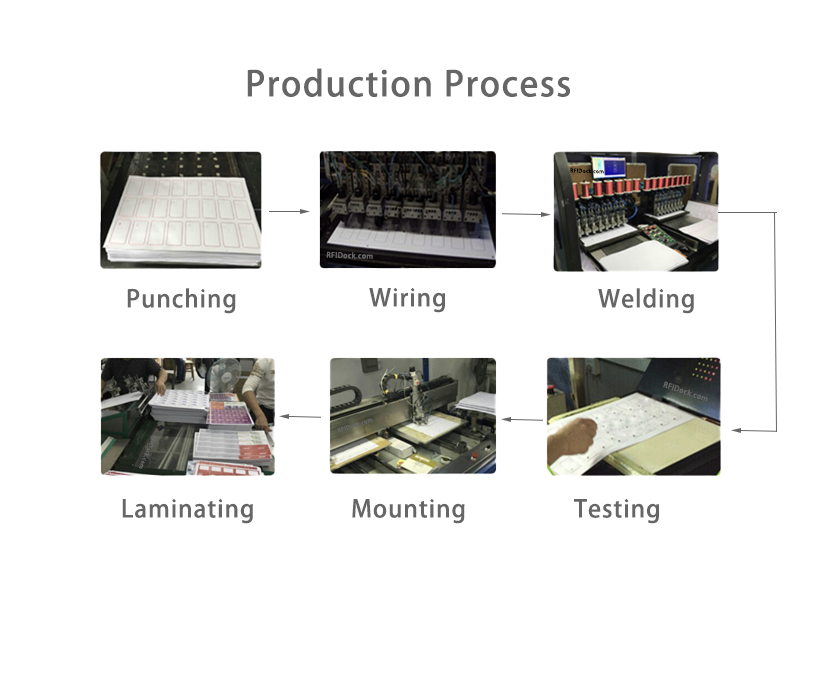
Inlay Production Process
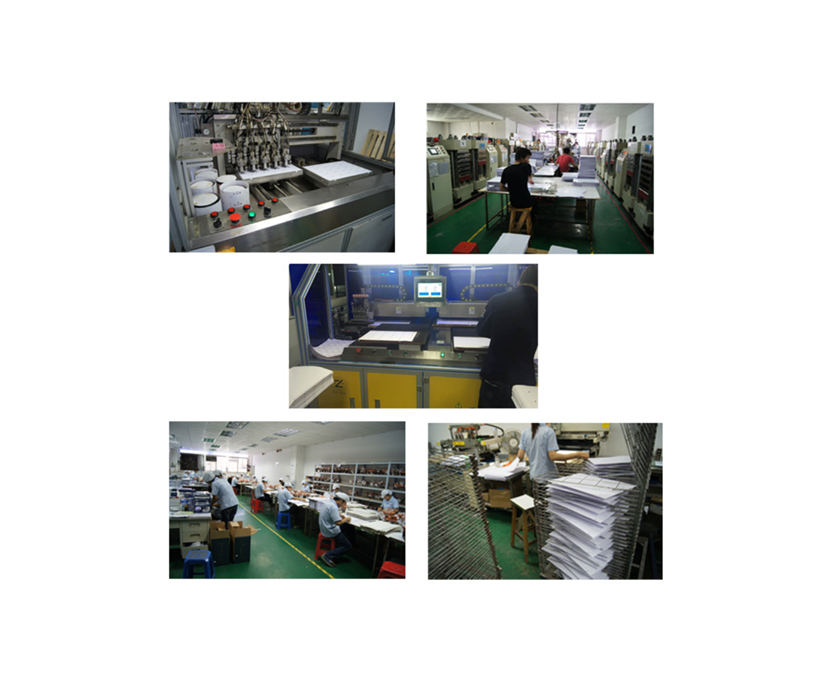
Production Wokshop
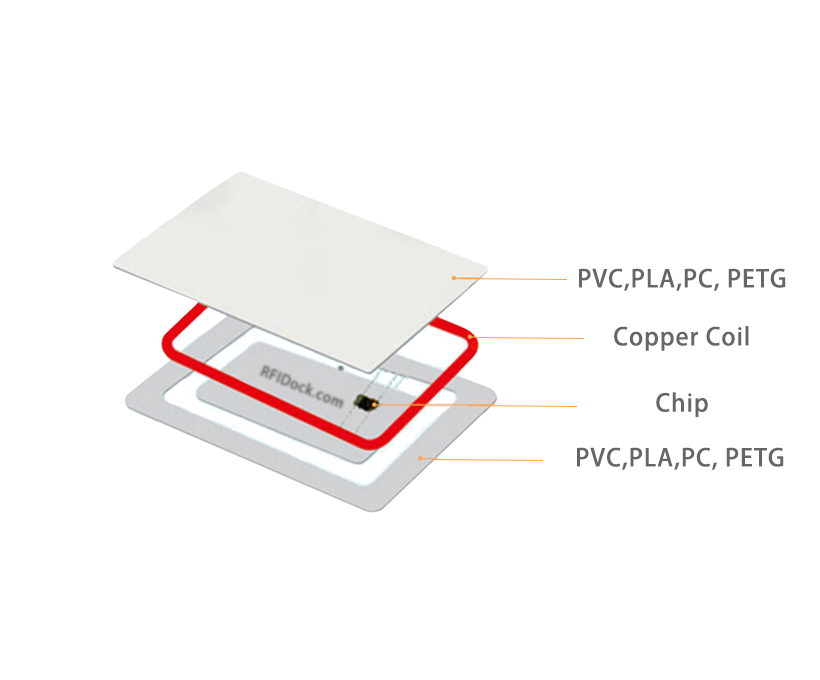
Structure Diagram of Inlay
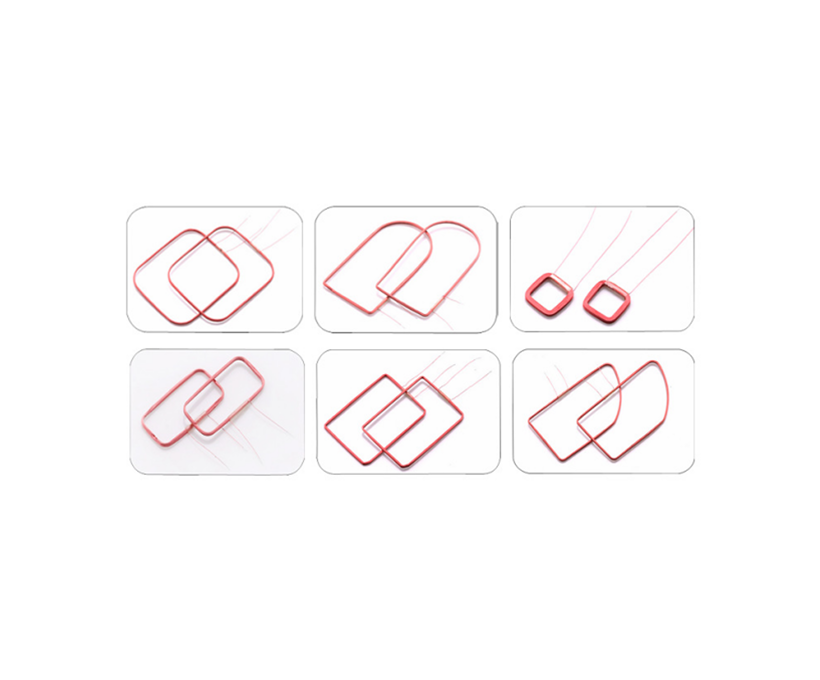
Non-standard coil products