
24/7 Global Support • Fast Response • Direct Factory Price • Request Samples & Prototyping Tests • Ship Globally • WhatsApp RFIDock

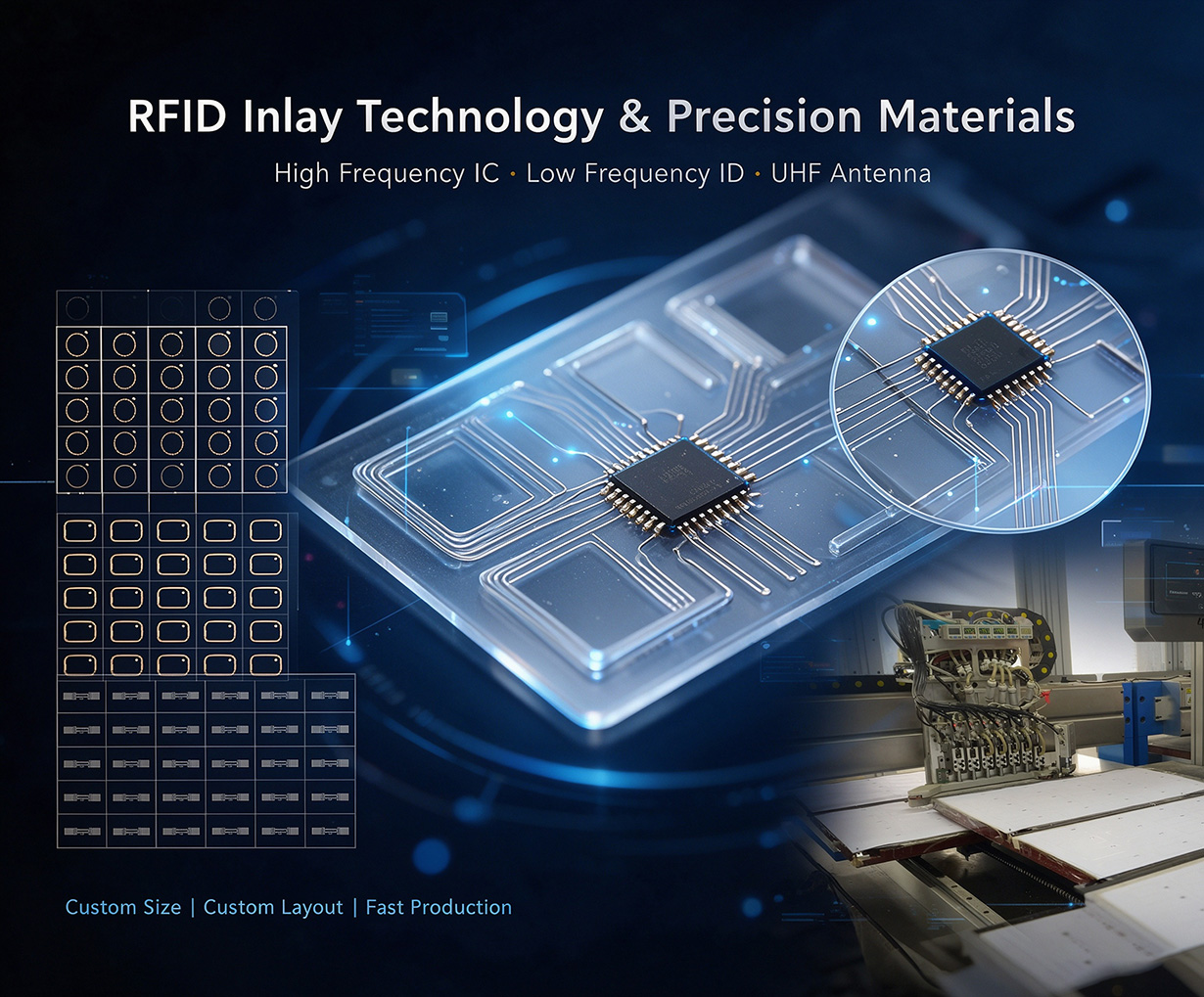

When sourcing NTAG 424 inlays, buyers may notice that pricing can vary depending on order quantity, inlay construction, production requirements and current chip costs.
Unlike a simple PVC component, the cost of an RFID inlay is determined by several elements. Understanding these factors can help buyers evaluate quotations more accurately and plan large-volume RFID projects more effectively.
1. RFID Chip Cost
The RFID chip is one of the most important cost components of an NTAG 424 inlay.
For large-volume projects, chip pricing can have a significant impact on the final inlay price. The actual purchasing cost may depend on factors such as order quantity, supply availability, procurement channel and market conditions.
This is why a reliable quotation for a high-volume project should normally be based on a confirmed chip cost rather than simply multiplying a small-stock price by the required quantity.
2. Antenna Design and Production
The antenna is another important part of the inlay.
Its design depends on the required dimensions, operating performance, final product structure and customer application.
Different antenna structures and manufacturing processes may result in different production costs.
For customized projects, providing an existing inlay layout or technical drawing can help the manufacturer evaluate the production requirements more accurately.
3. PVC and Other Inlay Materials
For card inlays and prelam structures, material specifications also affect the final cost.
Factors may include:
- Material type
- Material thickness
- Sheet dimensions
- Layer structure
- Required finished thickness
- Customer-specific construction
The material cost of an individual inlay may appear relatively small, but material selection becomes increasingly important when production quantities reach hundreds of thousands or millions of pieces.
4. Chip Bonding and Processing
The chip must be properly connected and integrated into the antenna structure.
This involves manufacturing processes, equipment, labor, quality control and production yield.
For high-volume production, even a small change in processing cost or yield can have a meaningful impact on the total project cost.
5. Order Quantity
RFID inlay pricing should always be considered together with quantity.
Sample quantities, existing-stock quantities and mass-production quantities may have very different cost structures.
For example, a supplier may already have several thousand inlays available from previous production. That stock price should not automatically be treated as the price for a new order involving millions of pieces.
For large projects, the chip, materials and production capacity should normally be recalculated specifically for the required volume.
6. Custom Layout and Specifications
For customized RFID projects, the customer’s layout is an important part of the quotation process.
A professional evaluation may consider:
- Chip type
- Antenna design
- Inlay dimensions
- Sheet layout
- Material structure
- Thickness
- Delivery format
- Quantity
- Testing requirements
- Packaging requirements
The more complete the technical information, the more accurately the production cost can be evaluated.
Why Large-Volume RFID Quotations Need Technical Review
For a standard product already available in stock, pricing can often be provided quickly.
For a customized project involving a large quantity, however, an accurate quotation requires more than checking a price list.
The manufacturer may need to confirm the latest chip cost, review the customer’s layout, calculate material consumption, evaluate processing requirements and consider production yield before confirming the final price.
This process helps reduce unexpected cost changes and ensures that the quotation reflects the actual manufacturing requirements.
RFIDock Technical Support
At RFIDock, we support customers from technical evaluation and sample development through material selection, inlay manufacturing and mass-production sourcing.
For customized NTAG 424 or other RFID inlay projects, customers can provide their existing layout, drawing, chip requirement, dimensions and estimated quantity for technical evaluation.
Have an RFID inlay project? Send us your layout and specifications to request a technical review and quotation.
24/7GLOBALSERVICE :+8613966950888
SAMPLE REQUESTS: SAMPLEORFIDOCK.COM
GENERALENQUIRY:Info@RFIDOCK.COM